![Mega Culture Television [Everything Culture And Tourism]](https://www.mymctvonline.com/wp-content/uploads/2023/08/logo.png)
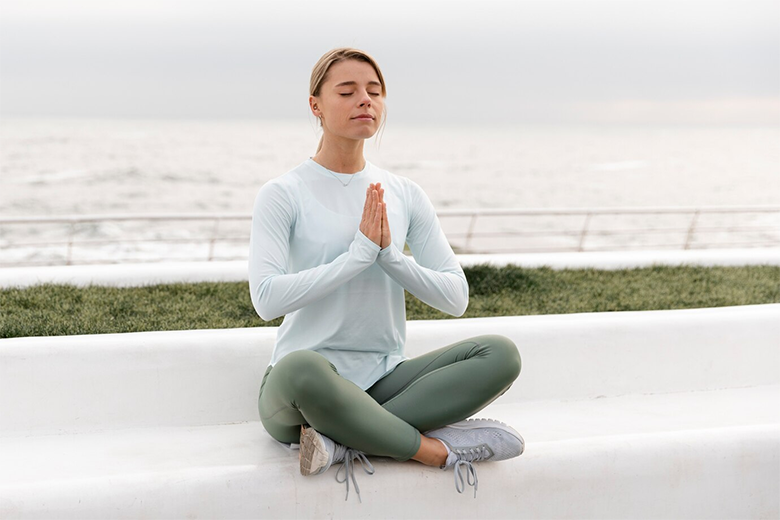
In our fast-paced and digitally-driven world, the importance of mental health has become increasingly evident. Mental health challenges, such as stress, anxiety, and depression, have become pervasive in modern society. Fortunately, amidst this backdrop, sports and physical activity have emerged as powerful tools for promoting mental well-being and fostering mindfulness. In this blog, we will explore the profound impact of sports on mental health, highlighting the role of physical activity and mindfulness in nurturing a healthier mind.
The Connection Between Physical Activity and Mental Health
Engaging in sports and physical activity has a direct positive impact on mental health. Exercise triggers the release of endorphins, the “feel-good” hormones, which elevate mood and reduce stress. Regular physical activity is associated with a decreased risk of anxiety and depression and can even serve as a valuable tool for managing existing mental health conditions.
The benefits of exercise are not solely limited to physiological changes. Participating in team sports or individual activities fosters a sense of camaraderie, and social connectedness, and boosts self-esteem. The achievements and progress made in sports can significantly contribute to an individual’s sense of accomplishment, reinforcing positive emotions and mental resilience.
Stress Reduction through Sports
Stress is a common byproduct of our hectic lives, but sports can act as a natural stress reliever. Engaging in physical activity diverts attention away from everyday worries and helps in grounding oneself in the present moment. Whether it’s the rhythmic flow of running, the precision required in tennis, or the strategic thinking in team sports, the focus on the activity at hand promotes mindfulness, allowing participants to detach from stressors and find solace in the present moment.
Sports and Mindfulness
Mindfulness is a mental practice that involves being fully present and aware of one’s thoughts, feelings, and bodily sensations without judgment. While it is often associated with meditation, sports can be an effective avenue for mindfulness as well. During sports activities, individuals naturally enter a state of “flow,” where they are entirely immersed in the activity, losing track of time and external distractions. This flow state is akin to mindfulness, as participants are fully engaged in the present moment, setting aside worries about the past or future.
Athletes often report experiencing a sense of mindfulness and heightened focus during peak performance. This heightened state of consciousness not only enhances athletic prowess but also nurtures mental well-being by reducing anxiety and promoting relaxation.
Sports as a Buffer against Mental Health Challenges
Mental health challenges are prevalent among youth and adults alike. Participating in sports, especially from a young age, can act as a protective factor against developing mental health issues later in life. Sports provide a safe outlet for emotions, foster emotional regulation, and teach resilience in the face of setbacks. Moreover, the support and camaraderie within sports teams can create a sense of belonging, reducing the likelihood of social isolation and its negative impact on mental health.
In conclusion, the impact of sports on mental health is profound and multifaceted. Engaging in physical activity not only enhances physical well-being but also serves as a powerful catalyst for promoting mental health. Through the power of physical activity and mindfulness, sports empower individuals to manage stress, build emotional resilience, and find solace in the present moment.
Whether you’re an amateur athlete, a recreational sports enthusiast, or someone simply seeking mental well-being, integrating sports and mindfulness practices into your routine can contribute to a healthier, more balanced mind. So, let’s lace up our sneakers, hit the field, and experience the transformative power of sports on our mental health journey!