![Mega Culture Television [Everything Culture And Tourism]](https://www.mymctvonline.com/wp-content/uploads/2023/08/logo.png)
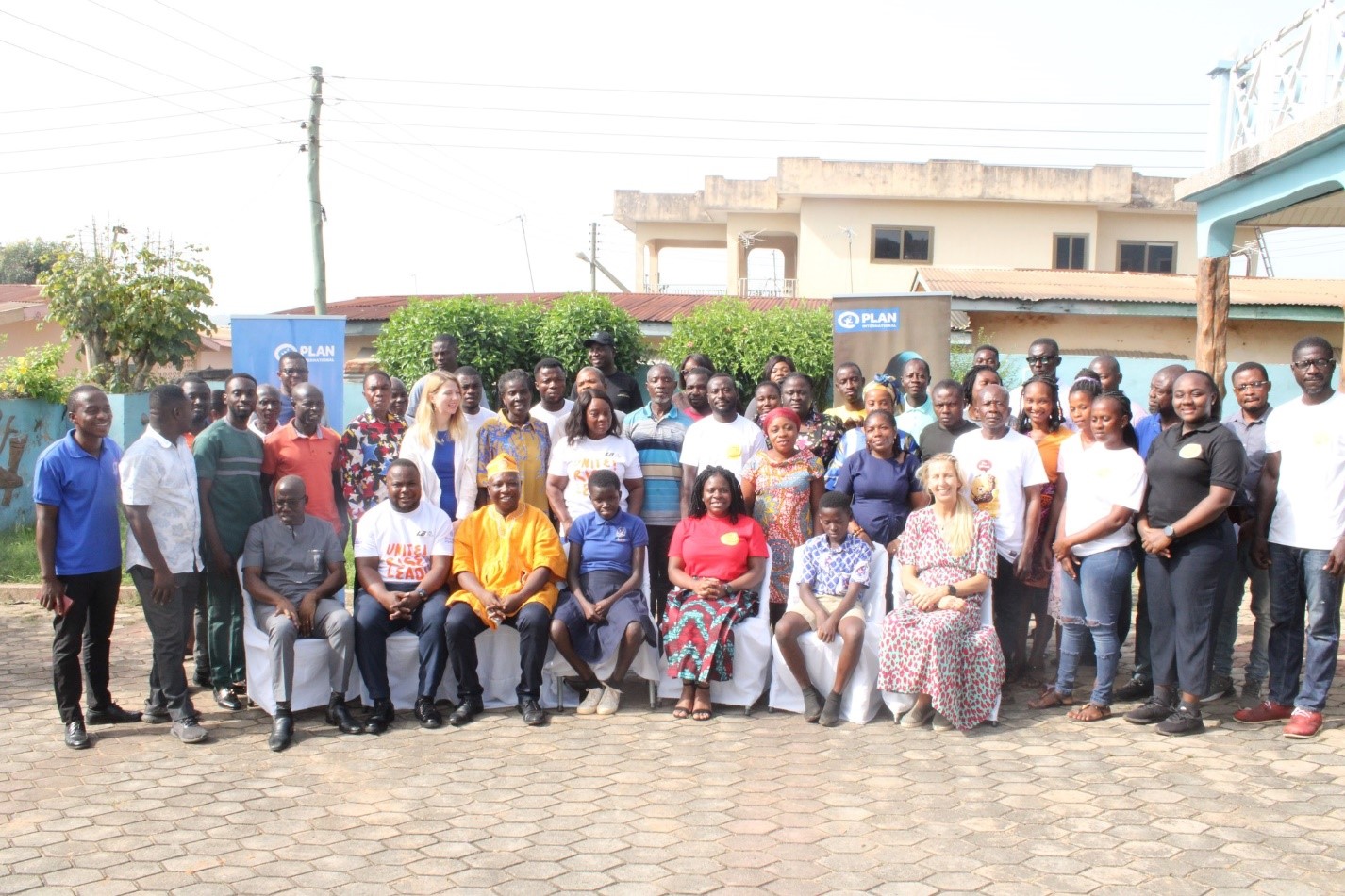
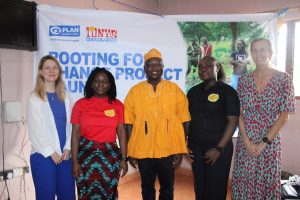
Plan International Ghana launched an ambitious new project, “Rooting for Change,” aimed at tackling unintended adolescent pregnancies in the Suhum municipality of the Eastern Region.
Funded by Tony’s Chocolonely, one of the Netherlands’ largest cocoa companies, this two-year project targets two cocoa producing communities, Aponoapono and Obretema, with the potential for future expansion into other nearby cocoa-growing areas.
Despite significant progress made by Tony’s Open Chain to support sustainable livelihoods for cocoa farmers, challenges such as poverty, gender inequalities, and limited access to essential services persist in cocoa-growing communities.
These issues disproportionately affect the well-being of girls and young women. Unintended pregnancies among adolescent girls have been identified as a major concern, prompting the partnership between Plan International Netherlands, Plan International Ghana and Tony’s Chocolonely to launch this vital initiative.
The project’s goal is clear: by September 2026, at least 800 young people (aged 10–19, with at least 60% female) in Aponoapono and Obretema will be empowered to make informed decisions and access sexual and reproductive health services without facing discrimination, coercion, or violence.
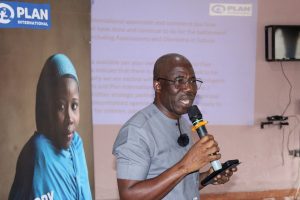
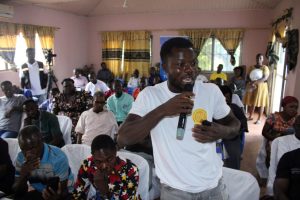
The objectives of the project are to ensure that children, adolescents, and youth develop positive attitudes and self-confidence regarding Sexual and Reproductive Health and Rights (SRHR), including awareness of harmful practices and gender-based violence (GBV).
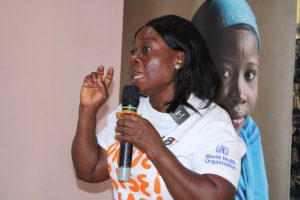
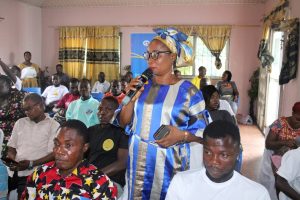
Additionally, the project aims to provide young people with access to age appropriate, youth-friendly SRHR services. It also seeks to create an enabling environment for young people, particularly girls and young women, allowing them to exercise their SRHR with dignity and autonomy.
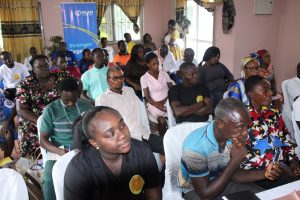
The project is supported by several strategic partners, including the Ghana Health Service, Ghana Education Service, the Department of Social Welfare, Domestic Violence and Victim Support Unit, Suhum Municipal Assembly, National Commission on Civic Education, Commission on Human Rights and Administrative Justice, and the International Cocoa Initiative Based.