![Mega Culture Television [Everything Culture And Tourism]](https://www.mymctvonline.com/wp-content/uploads/2023/08/logo.png)
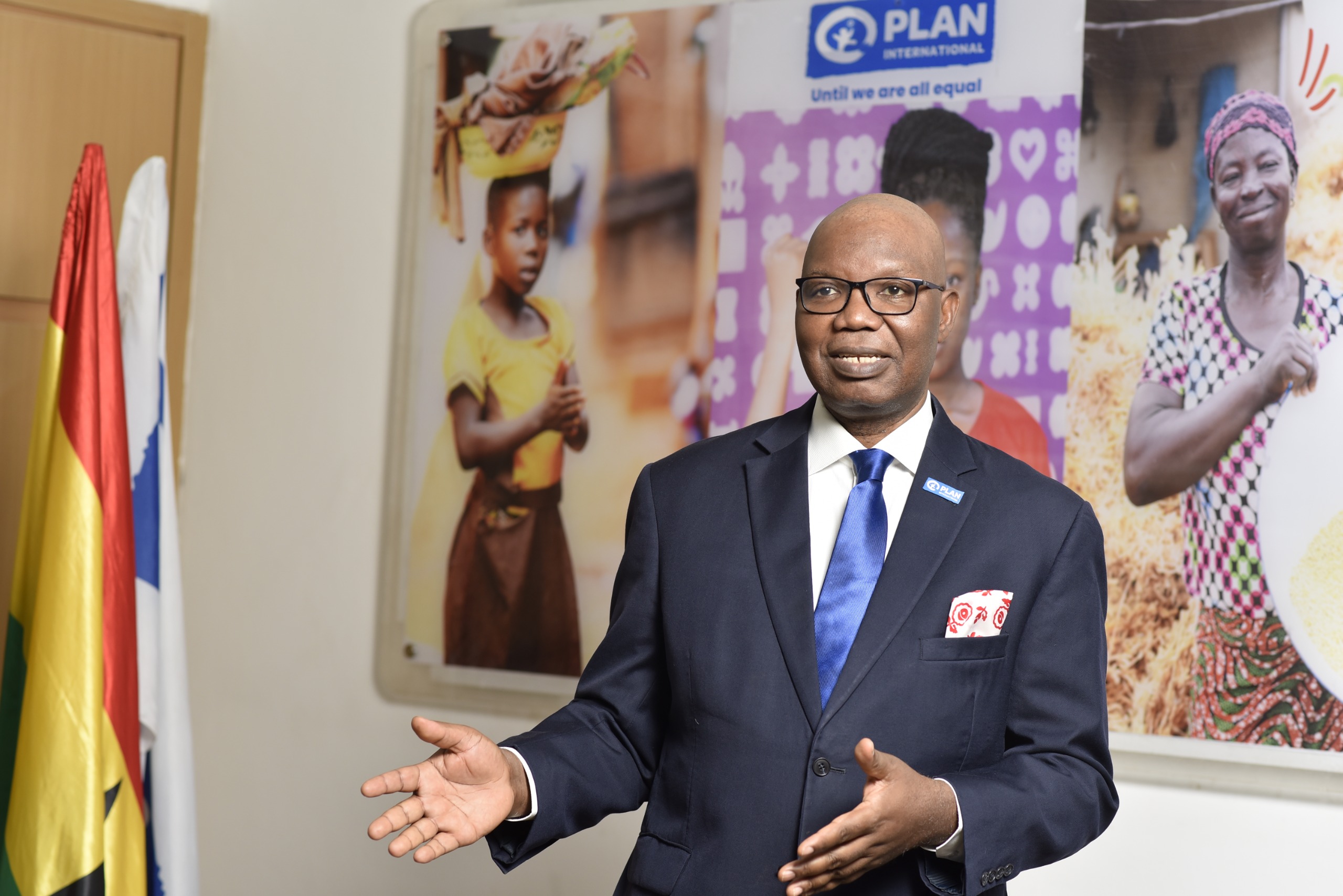
Plan International Ghana commends the Government of Ghana for its historic allocation of Gh₵292.4 million in the 2025 Financial Budget to distribute free sanitary pads to female students in primary and secondary schools.
This transformative initiative, which fulfills President John Dramani Mahama’s 2024 manifesto promise, marks a significant milestone in the fight against menstrual poverty and the promotion of gender equality in Ghana.
Menstrual poverty remains a critical barrier to the well-being, education, and development of women and girls, particularly in rural areas. Limited access to affordable menstrual hygiene products forces many girls to resort to unsafe and unhygienic alternatives, such as rags or leaves, which pose serious health risks and contribute to school absenteeism. In some cases, some of these girls end up in compromising situations leading to abuse by some adults.
The government’s commitment to providing free sanitary pads will not only alleviate these challenges but also empower girls to manage their menstrual health with dignity and confidence.
We recognize the profound impact this initiative will have on the lives of girls, especially those in underserved rural communities. By ensuring access to free sanitary pads, the government is addressing a key driver of inequality and creating an enabling environment for girls to stay in school, focus on their education, and achieve their full potential. This initiative will significantly reduce school absenteeism, improve menstrual hygiene management, and contribute to breaking the cycle of poverty that disproportionately affects girls.
Plan International Ghana has long been at the forefront of efforts to address menstrual poverty and promote gender equality. Through our interventions, projects and initiatives such as the SHE Leads, the Lead Fund, the “Be Smart Learn and Stay Protected” and Integrated Package for Sustainable Community Development
(IPADEV), we have:
1. Advocated for the removal of taxes on sanitary pads.
2. Distributed disposable sanitary pads to over 100,000 vulnerable adolescent girls.
3. Initiated advocacy for the development of standards for the certification of reusable sanitary products.
4. Trained females to produce reusable sanitary products
5. Distributed reusable sanitary pads to over 50,000 vulnerable adolescent girls.
6. Provided and promoted menstrual health and hygiene education to reduce school absenteeism.
7. Worked with boys and men as allies in advocacy campaigns on menstrual health and hygiene.
8. Supported visually impaired girls to lobby for sanitary facilities in their schools.
9. Introduced a Pad Bank initiative at the Wa Methodist School of the Blind and Dr. Hilla Limann Technical University.
10. Conducted community sensitization and advocacy campaigns to challenge stigma and promote menstrual health.
11. Constructed over 100 Girl-Friendly latrines in schools across Ghana
12. Provided mechanised and hand pumps water facilities in schools and communities to enable girls manage their menstrual hygiene
13. Additionally, our Alumni Network initiated a ‘No Pad Tax Campaign’ and mobilized over 1,000 signatures in a petition to the Ministry of Gender, Children, and Social Protection; organized stakeholder dialogues, and advocated for policy changes to make menstrual products more accessible and affordable.
We are encouraged by the government’s actions, which align with our advocacy and influencing efforts towards:
• Implementation of zero-rated VAT on locally produced sanitary pads.
• Granting of import duty waivers for raw materials used in local manufacturing.
• Condemnation of taxes on sanitary products by Speaker of Parliament, Rt. Hon. Alban Kingsford Sumana Bagbin
• Introduction of a bill by MP Francis-Xavier Sosu to remove the 15% VAT on menstrual hygiene products.
These measures, coupled with the 2025 budget allocation, demonstrate government’s commitment to addressing menstrual poverty and advancing gender equality.
As the distribution of free sanitary pads is in the offing, “we urge the government to ensure the effective implementation of this initiative, particularly in hard-to reach rural areas where the need is greatest. We also call for sustained
investment in menstrual health education and the provision of adequate sanitation facilities in schools to complement this initiative”.
Plan International Ghana remains steadfast in its commitment to working with the government, communities, and other stakeholders to advance menstrual health and gender equality. Together, we can create a future where every girl in Ghana can thrive, free from the barriers of menstrual poverty.
Once again, we commend the Government of Ghana for this bold and transformative initiative, which will undoubtedly have a lasting impact on the lives of girls across the country.
About Plan International
Plan International is an independent development and humanitarian organisation that advances children’s rights and equality for girls. We believe in the power and potential of every child but know this is often suppressed by poverty, violence, exclusion, and discrimination. And it is girls who are most affected.
Working together with children, young people, supporters, and partners, we strive for a just world, tackling the root causes of the challenges girls and vulnerable children
face. We support children’s rights from birth until they reach adulthood, and we enable children to prepare for and respond to crises and adversity. We drive changes in practice and policy at local, national, and global levels using our reach, experience, and knowledge.
For over 85 years, we have rallied other determined optimists to transform the lives of all children in more than 80 countries.
We won’t stop until we are all equal.