![Mega Culture Television [Everything Culture And Tourism]](https://www.mymctvonline.com/wp-content/uploads/2023/08/logo.png)
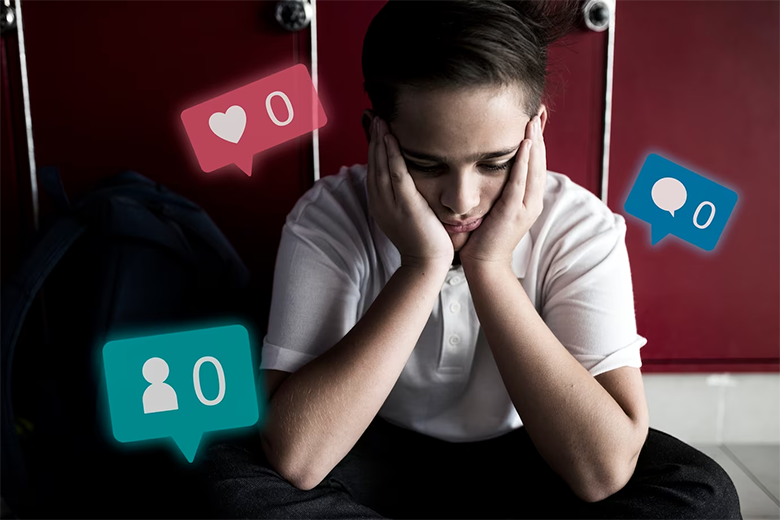
In the past decade, social media has transformed the way we connect, share information, and engage with the world around us. From Facebook to Instagram, Twitter to TikTok, these platforms have undoubtedly enriched our lives in many ways. However, beneath the surface of seemingly harmless interactions, there lies a complex and often overlooked issue – the impact of social media on mental health. In this blog, we will delve into the positive and negative effects of social media on our mental well-being and explore ways to navigate the digital landscape responsibly.
The Positive Aspects of Social Media
Let’s begin by acknowledging the positive aspects of social media, as it is not entirely a force for harm. These platforms provide a valuable space for building and maintaining social connections. They enable individuals to connect with friends, family, and like-minded individuals from across the globe, breaking down geographical barriers and fostering a sense of community.
Moreover, social media has become a platform for raising awareness about mental health issues and promoting discussions that destigmatize seeking help. Many influencers, organizations, and professionals use these platforms to share mental health resources, coping strategies, and inspiring stories of recovery, providing a ray of hope to those struggling.
The Dark Side: How Social Media Affects Mental Health
While there are benefits to using social media, it is crucial to understand the potential negative impacts it can have on mental health:
Social Comparison: Constant exposure to carefully curated and filtered content can lead to social comparison. Individuals may feel inadequate or develop feelings of envy, negatively impacting their self-esteem and self-worth.
Cyberbullying: Social media can be a breeding ground for cyberbullying, leading to increased anxiety, depression, and in extreme cases, even suicidal thoughts.
Fear of Missing Out (FOMO): The fear of missing out on exciting experiences can cause anxiety and stress, as users may feel pressured to keep up with their peers’ seemingly perfect lives.
Sleep Disturbances: Excessive screen time and engagement on social media can disrupt sleep patterns, leading to fatigue and other mental health issues.
Validation Seeking: Relying on social media for validation can create a dependency on external sources for self-worth, which is unhealthy for mental well-being.
Navigating the Digital Landscape Responsibly
It is possible to maintain a positive relationship with social media while safeguarding our mental health. Here are some strategies to navigate the digital landscape responsibly:
Limit Screen Time: Set designated times for social media usage, and avoid mindlessly scrolling before bedtime to improve sleep quality.
Curate Your Feed: Unfollow accounts that trigger negative emotions and follow those that promote positivity and mental well-being.
Engage Authentically: Avoid seeking validation solely through likes and comments. Instead, focus on genuine interactions and meaningful conversations with others.
Take Breaks: Periodically disconnect from social media to recharge and refocus on real-life experiences.
Seek Support: If you encounter cyberbullying or feel overwhelmed, seek support from friends, family, or mental health professionals.
Social media is a double-edged sword, capable of connecting us like never before while simultaneously impacting our mental health in various ways. By understanding the potential risks and adopting responsible usage, we can harness the positive aspects of these platforms while safeguarding our mental well-being. Remember, the key is to strike a balance between virtual and real-life interactions, fostering genuine connections, and prioritizing our mental health in the digital age.